
AI insights
- AI-driven diagnostics help maintenance teams identify problems faster and reduce time spent reviewing alarms.
- Connected systems improve equipment performance, energy efficiency and asset life without requiring full infrastructure replacement.
- Automation helps skilled technicians focus on higher-value maintenance and operational improvements.
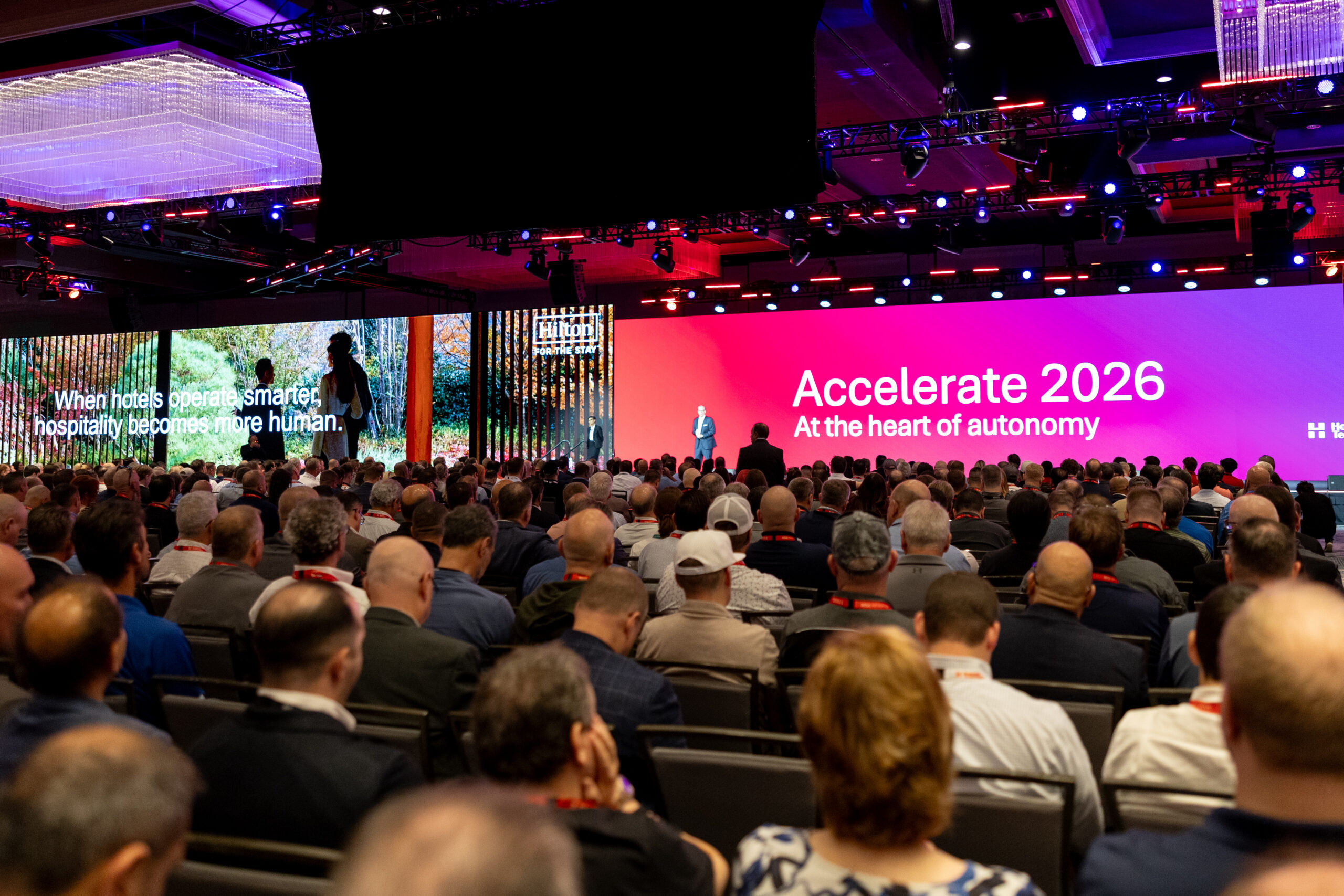
Industrial facilities face growing pressure to improve operational efficiency while managing aging infrastructure, rising energy costs and shortages of experienced maintenance personnel. Connected automation and artificial intelligence (AI) are creating new opportunities to address these challenges, but their greatest value may come from changing how facilities use the people and systems they already have. At Honeywell Technologies Accelerate 2026, I had the opportunity to sit down and talk to Greg Turner, chief solutions officer of building automation at Honeywell Technologies about this topic.
According to Turner, operational efficiency will remain the defining characteristic of high-performing facilities over the next five years. While the technologies used to achieve those improvements will continue to evolve, the underlying objectives will remain largely the same: better workforce productivity and more efficient energy use.
“Operational efficiency covers the people’s side of it, the energy side of it, kind of everything,” Turner said. For plant engineers, the challenge is finding practical ways to apply emerging technologies to these everyday operational priorities.
Making AI practical for facility operations
AI is generating significant interest across industrial and commercial facilities, but not every application is delivering measurable results yet. Turner identified fault diagnostics as one area where the technology is already demonstrating practical value. By filtering out irrelevant alarms and anomalies, AI-based diagnostics can help maintenance teams identify meaningful patterns and recognize developing equipment problems. This reduces the time spent sorting through large volumes of information and helps technicians focus on issues that require attention.
Highly variable operations also present opportunities for AI-driven optimization. Traditional control strategies can struggle when processes involve numerous changing variables. AI can evaluate these conditions and identify opportunities to improve process quality, reduce energy intensity and minimize waste. However, some of AI’s most immediate benefits may be less technical. Turner noted that automation is increasingly allowing facilities to redirect employees away from repetitive, time-consuming tasks and toward work that requires their experience and expertise.
Rather than spending hours reviewing routine alarms, maintenance personnel can concentrate on improving equipment performance and addressing operational inefficiencies.
Modernizing existing infrastructure
Many facilities operate multiple generations of building management and control systems. Replacing these systems entirely can be expensive and disruptive, particularly when existing equipment is still functioning effectively. Turner said facilities should prioritize connecting existing infrastructure and extracting useful information rather than replacing systems simply to gain access to data. Open communication protocols and integration technologies make it possible to connect equipment from different manufacturers. However, collecting data from older systems requires a more thoughtful approach.
More data does not automatically translate into better decisions. Turner described how early connected-building initiatives sometimes attempted to collect information from every piece of equipment at extremely frequent intervals, creating unnecessarily large datasets. Instead, facilities should identify which measurements are actually needed, how frequently they must be collected and what operational questions they can help answer.
“We’re not asking for everything and we’re not asking for it every five seconds,” Turner said. This targeted approach can make modernization more practical, particularly for facilities working with older equipment and limited network capacity.
Improving asset performance and energy visibility
Connected automation can also help facilities better understand how equipment operates and where maintenance improvements are needed.
Chillers, for example, are particularly important assets in building environments. They have established performance curves, but operating schedules and changing building demands can sometimes push them outside their optimal operating ranges.
Operating equipment under these conditions can increase energy consumption and accelerate wear. Better monitoring and control strategies can help facilities recognize when equipment is operating inefficiently and make adjustments that support longer asset life.
Energy visibility is another opportunity. Virtual metering allows facilities to estimate electrical consumption using equipment operating data and mathematical calculations rather than installing physical meters on every asset. This can provide a broader understanding of where energy is being used and where waste may be occurring without the cost of extensive additional metering infrastructure.
Addressing the maintenance workforce challenge
As experienced technicians become harder to find, facilities need new ways to help employees diagnose problems and make effective maintenance decisions. Turner compared the opportunity to the automotive industry’s transition from carbureted engines to computer-controlled vehicles. Rather than expecting every mechanic to become an IT specialist, the industry introduced diagnostic systems that could identify potential problems and guide technicians through troubleshooting.
A similar approach is emerging in facility maintenance. Connected systems can evaluate multiple components involved in an operational problem, identify likely failure points and recommend where technicians should begin investigating. Digital performance baselines can further support these efforts by establishing how equipment should operate under specific conditions and identifying deviations over time. This gives maintenance personnel better context when evaluating equipment performance and deciding what needs attention.
Keeping expertise at the center of automation
Ultimately, technology alone does not determine whether a facility performs well. Turner said facilities that consistently achieve strong results are those that give employees visibility into operational data and the context needed to prioritize problems. Not every equipment fault deserves the same level of attention. Understanding the potential operational and financial impact of an issue helps maintenance teams direct limited resources toward the problems that matter most.
For plant engineers who may be hesitant to embrace greater automation, Turner offered an analogy to aircraft autopilot systems. Automation has not eliminated the need for pilots; it has changed how they apply their expertise. “Their expertise is needed more than ever. We just need to make sure they’re doing the valuable stuff and not all the other stuff,” Turner said. The same principle applies to industrial facilities. Connected automation should not replace experienced plant personnel. Instead, it should reduce routine troubleshooting, improve decision-making and give skilled employees more time to focus on optimizing operations.


