Effective manufacturing starts with safe operations. Learn ways to create workplaces where safety and productivity thrive together.

Learning objectives
- Understand how routine tasks, moving machinery, slips, electrical systems and human factors contribute to workplace incidents and why familiar hazards are often the most dangerous.
- Learn strategies to cultivate accountability without blame, encourage proactive reporting and build habits where workers follow safe practices even when unsupervised.
- Gain insights into effective hands-on safety training, proper equipment maintenance and using data-driven tools to prevent incidents while supporting informed, human-centered decision making.
Safety insights
- Anyone reviewing safety in manufacturing should examine the risks, culture, equipment and people involved. The focus is on understanding why safety matters and how manufacturers can create environments where productivity and protection coexist.
- While speed, precision and efficiency are critical, they mean little if workers are at risk. Safety is a daily practice embedded in decisions, behaviors and culture.
Walk onto any manufacturing floor and watch a carefully choreographed operation in motion. Machines run, materials move and people are solving problems in real time. It is impressive and efficient, but it can also be unforgiving. Manufacturing relies on precision, speed and reliability. None of that matters if the people doing the work are not safe.
Safety programs, signage and procedures are common across the industry. Safety does not exist only on a poster or inside a binder, however. It lives in daily decisions, particularly the ones made when no one is watching. Every worker, supervisor and manager plays a role in making sure the floor remains a secure place to work.
The real cost of unsafe workplaces
When discussing safety, compliance often dominates the conversation. Regulations are essential but only serve as a baseline. The real cost of unsafe workplaces extends far beyond fines or insurance claims.
An injury does not just affect one shift. It disrupts production schedules, pulls supervisors into investigations and leaves teams short-handed. More importantly, it changes how people feel about coming to work. Confidence decreases, trust erodes and a once predictable workplace suddenly feels risky.
The mental toll is often overlooked. Near-misses rarely appear in spreadsheets, yet they linger in workers’ minds. Avoiding an accident by a narrow margin can lead to second-guessing and hesitation, which are not compatible with high-performance operations.
From a business standpoint, unsafe conditions are expensive. From a human standpoint, they are unacceptable. No production target is worth a preventable injury, even if it looked good on yesterday’s dashboard. Organizations that recognize both the tangible and intangible costs of unsafe workplaces are better positioned to invest in meaningful safety programs that prevent incidents before they occur.
The line between routine and risk
One of the biggest challenges in manufacturing safety is that risk often hides inside routine. Tasks performed hundreds or thousands of times can begin to feel automatic. When work becomes muscle memory, attention naturally shifts elsewhere, creating opportunities for errors.

Safety issues often begin with minor deviations rather than outright rule-breaking. Skipping a step to save time, reaching instead of repositioning or assuming a machine behaves the way it always has may seem harmless individually. Collectively, these small decisions increase the likelihood of accidents.
Experienced workers are not immune. Familiarity brings efficiency but can reduce perceived risk. The challenge is maintaining awareness and vigilance even when speed and output are constant pressures. Effective safety programs acknowledge that people are human, not careless and that routine work can conceal hazards.
Common manufacturing safety hazards
Hazards in manufacturing are not always obvious. The most dangerous risks are often the ones workers see every day and stop noticing. Some of the most common include:
Moving machinery: Rotating equipment, conveyors and automated systems are essential to operations but demand respect. Pinch points, unexpected startups and bypassed guards are leading contributors to serious injuries. Familiarity can breed overconfidence, which can quietly turn into complacency.
Slips, trips and falls: While not glamorous, these hazards are among the most frequent. A hose left across the floor, a spill that is yet to be cleaned or uneven surfaces in high-traffic areas can quickly transform routine movement into injury.
Pressurized systems and compressed air: Compressed air is critical in many processes but is often misunderstood. Improper use, such as cleaning with compressed air or using damaged hoses, can result in severe injuries. Common does not mean harmless.
Electrical and thermal hazards: Live circuits, exposed wiring, hot surfaces and high-temperature processes pose constant threats, especially during maintenance and troubleshooting. Incidents often occur during tasks outside normal operations, when routines change and assumptions take over.
Human factors: Fatigue, rushing, distractions and shortcuts contribute significantly to accidents. Unsafe decisions are rarely deliberate; they often result from pressure, tiredness or the desire to be helpful. Addressing human factors through training, scheduling and culture is critical to reducing risk.
Safety culture: what happens when no one is watching
Safety culture is defined not by the number of procedures, but by how people act when supervision is absent. Strong cultures empower workers to stop a process when something seems wrong, correct each other respectfully and trust that reporting issues leads to improvement rather than punishment.

Leadership sets the tone. Supervisors following the same rules as everyone else reinforce that safety is a priority. Conversely, prioritizing production over safety sends a message that shortcuts are acceptable. A healthy safety culture does not demand perfection — it demands consistency. Workers notice when safety is a shared responsibility rather than a checklist. Laminated signs help, but culture is built through daily behavior.
Safety accountability without blame
Accountability is often misunderstood in safety discussions. True accountability is not about punishment but clarity. Clear roles, procedures and expectations reduce uncertainty. When everyone understands what “safe” looks like, recognizing deviations becomes easier.
Response to incidents and near-misses is equally important. Finger-pointing discourages reporting. Focusing on learning and improvement encourages it. Workers are far more likely to speak up when they believe their input will lead to action rather than consequences. Silence in manufacturing is far more dangerous than a difficult conversation.
Safety training and tools that work
Training is one of the most effective safety tools when done correctly. Many workers can recite safety rules without truly internalizing them. Long, generic sessions fade quickly once people return to the floor. The most effective training includes real examples, hands-on practice and scenarios recognizable from workers’ own jobs.
Effective safety training:
- Uses real incidents and near-misses as learning tools.
- Focuses on “why,” not just “what.”
- Is reinforced regularly, not once a year.
- Encourages questions and conversation.
Workers are more likely to follow procedures they understand and trust. While training need not be entertaining, engagement greatly improves retention and application.
Training the next generation
As experienced workers retire and new employees enter manufacturing, safety knowledge becomes fragmented between formal training and informal on-the-job learning. New workers learn by observing peers. If shortcuts are common, these become the norm. If procedures are consistently followed, that behavior carries forward.
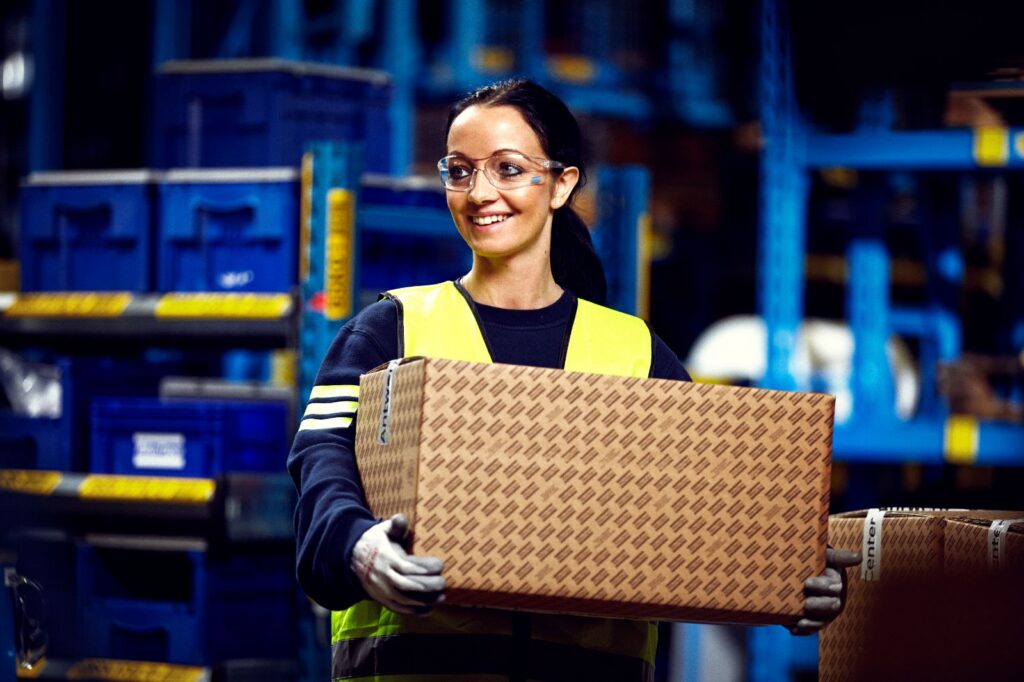
Effective onboarding pairs new workers with safety-minded mentors, reinforces expectations from Day One and checks in regularly during the first months. This reduces incident rates and communicates that safety is a core part of the job, not something learned later.
When safety gets lost in translation
Manufacturing is noisy, literally and figuratively. Shift changes, maintenance schedules, production targets and staffing adjustments can allow critical information to fall through the cracks. Safety incidents often occur during transitions, including shift handovers, equipment maintenance or process changes.
Strong communication is intentional. It uses multiple formats, reinforces key messages and encourages questions. Workers closest to processes often see risks first and they must be empowered to share them. Clear communication does not slow production. It prevents injuries, rework and costly surprises.
Equipment safety: respect the tools that power the plant
Manufacturing depends on powerful equipment. Machines fail predictably, often when maintenance is delayed or warnings are ignored. Preventive maintenance is both a safety and operational strategy. Worn components, leaks, vibrations and unusual noises are early indicators of risk. Addressing these early prevents both downtime and unsafe conditions.
Compressed air systems illustrate this point. Proper use, correct pressure and maintenance are essential. Tools are safer when respected. Improvised fixes may be practical but carry hidden risks. Encouraging workers to flag concerns early fosters trust and prevents unsafe workarounds.
Technology, data and smarter safety decisions
Advances in technology allow proactive safety approaches. Sensors, monitoring systems and digital reporting tools identify issues before incidents occur. Data highlights recurring near-misses, maintenance gaps and process anomalies.
Technology supports better decision making but cannot replace human awareness. Even the most advanced monitoring system cannot compensate for a culture where reporting is ignored. Technology works best when it supports people, not replaces them.
Making safety personal
Rules are important, but personal investment drives safe behavior. Workers are more likely to follow procedures when they understand how practices protect themselves, coworkers and families. Sharing stories of near-misses, lessons learned and improvements reinforces safety as a shared responsibility.
At its core, safety is about looking out for one another, stepping in when something seems wrong and trusting that the right call is being made. Safety is a team effort requiring participation from the production floor to support staff.
A safer workplace is a better workplace
Manufacturing will always involve risk, but unsafe conditions are preventable. Treating safety as a priority improves productivity, resilience and workplace attractiveness. The goal is zero preventable injuries. Safety is not separate from productivity, quality or efficiency. It supports all three. Successful manufacturers manage risk responsibly, consistently and collaboratively. Embedding safety into daily work makes operations stronger and more reliable. A safe operation is not