Preventive maintenance, through regular inspections, servicing and scheduled part replacements, keeps systems reliable, energy-efficient and compliant with safety and quality standards.

Air compressor insights
- Air compressors are a critical component of manufacturing, but they use a lot of energy.
- Preventive maintenance can cut energy usage and make compressors more efficient.
- Professional service plans can play a role in maintaining compressor efficiency.
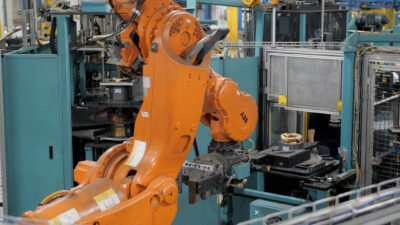
Air compressors play a critical role in manufacturing, supplying reliable power for tools, machinery, conveyor systems and core processes that keep plant operations running efficiently.
In manufacturing, when an air compressor goes down or is not working at full capacity, production and the bottom line can take a hit. Just like a vehicle needs maintenance on a regular basis, air compressors also need regular care to perform at their best. Most of the time, maintenance is only addressed after a compressor has already broken down, which leads to costly repairs, unplanned downtime and a loss in productivity.
Plant managers must take a proactive approach and consider preventive maintenance. By regularly inspecting, servicing and replacing parts before they break, compressors can run efficiently, last longer and avoid expensive disruptions in operations.

Why preventive maintenance matters for compressors
For most people, air compressors are not top of mind when it comes to everyday life, but they are often running for thousands of hours each year in manufacturing facilities. In production, even small issues with an air compressor, like a clogged filter or worn belt can turn into a major failure if left unchecked. That’s why preventive maintenance is critical to avoid disruptions.
Here are five ways maintenance can make a difference in a manufacturing facility:
1. Avoid costly downtime
When a compressor goes down suddenly, these unplanned interruptions can bring production to a standstill, which can impact deadlines, customer satisfaction and ultimately revenue. However, implementing a preventive maintenance schedule can catch potential problems early, so plant managers can schedule repairs during planned downtime instead of in the middle of a critical shift.
2. Extend equipment life span
Air compressors, like cars, require routine servicing to reduce wear and tear on important components, ensuring they last longer and perform consistently. This ensures a better return on investment and fewer expenses for replacements.
3. Improve energy efficiency
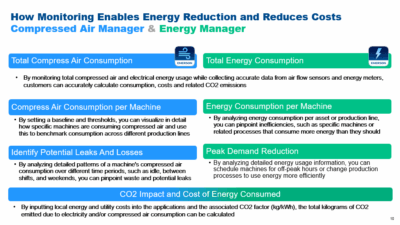
A well-maintained compressor doesn’t have to work as hard to meet demand. With clean filters, proper lubrication and calibrated controls, energy consumption can be significantly reduced, in return, helping cut utility costs and reduce a plant’s environmental footprint.
4. Maintain air quality
In some industries like food and beverage, pharmaceuticals or electronics, air purity isn’t optional, it’s a requirement. Regular maintenance prevents contaminants like oil vapor, particulates and moisture from affecting products, equipment or compliance standards.
5. Support workplace safety
Failing components can pose safety risks to workers. Preventive maintenance ensures safety devices are working correctly and helps prevent hazardous failures.
When broken down, preventive maintenance is about more than fixing machines, it’s about protecting people, products and the bottom line.
Key benefits of preventive maintenance
Preventive maintenance isn’t just about having a checklist for making sure a system doesn’t break; it is also a way to keeping the air compressor system operating at peak performance. By keeping a regular service schedule, teams gain measurable advantages that impact efficiency, reliability and cost control. Benefits include:
Improved reliability: With routine inspections and timely part replacements, the chance of a sudden breakdown is significantly reduced. This means fewer production interruptions and more consistent output.
Cost savings: Catching even small issues early can prevent them from turning into costly repairs or even needing complete equipment replacement. Over time, this approach lowers the total cost of ownership.
Energy efficiency: A well-maintained compressor operates more efficiently, using less energy to produce the same amount of air. So, by replacing clogged filters, maintaining proper lubrication and calibrating controls ensure the system isn’t overworking and there is no unexpected surprise in energy bills.
Compliance and safety: For industries with strict regulatory requirements, preventive maintenance ensures that system stays compliant with safety and quality standards. It also helps prevent dangerous equipment failures that could put the team in danger.
Extended equipment life: The better the maintenance of a compressed air system, the longer it will last. Preventive maintenance will minimize wear and tear.
Common air compressor preventive maintenance tasks
When thinking about implementing a preventive maintenance program, it is important to know it works best when it’s consistent and thorough. While the exact steps will vary based on the compressor type, operating environment and workload, these are some of the core things that should be part of every plan:
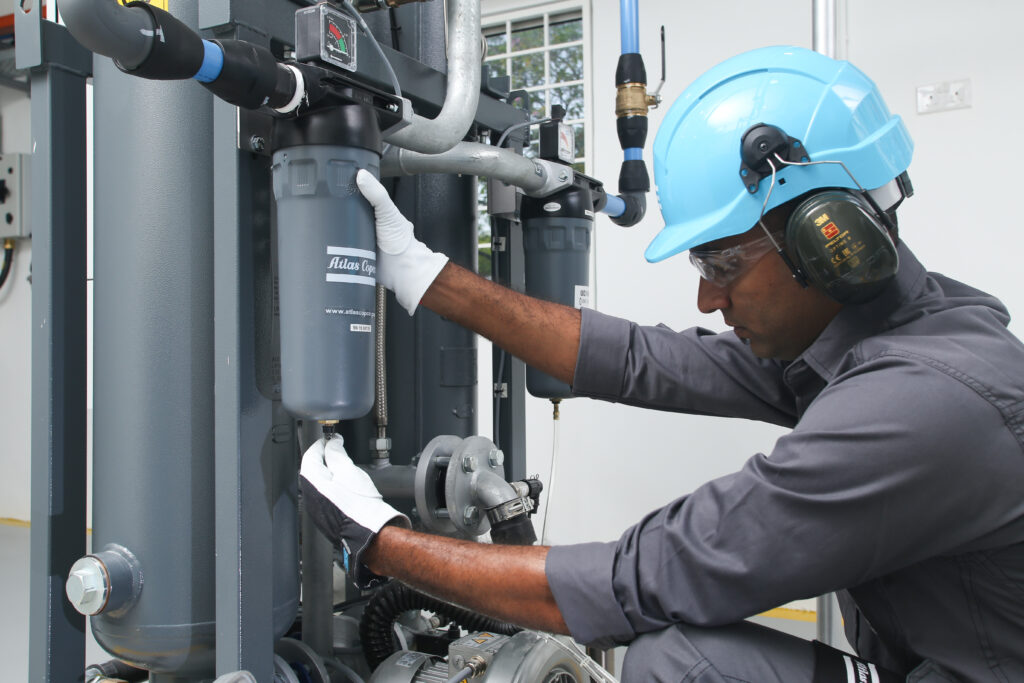
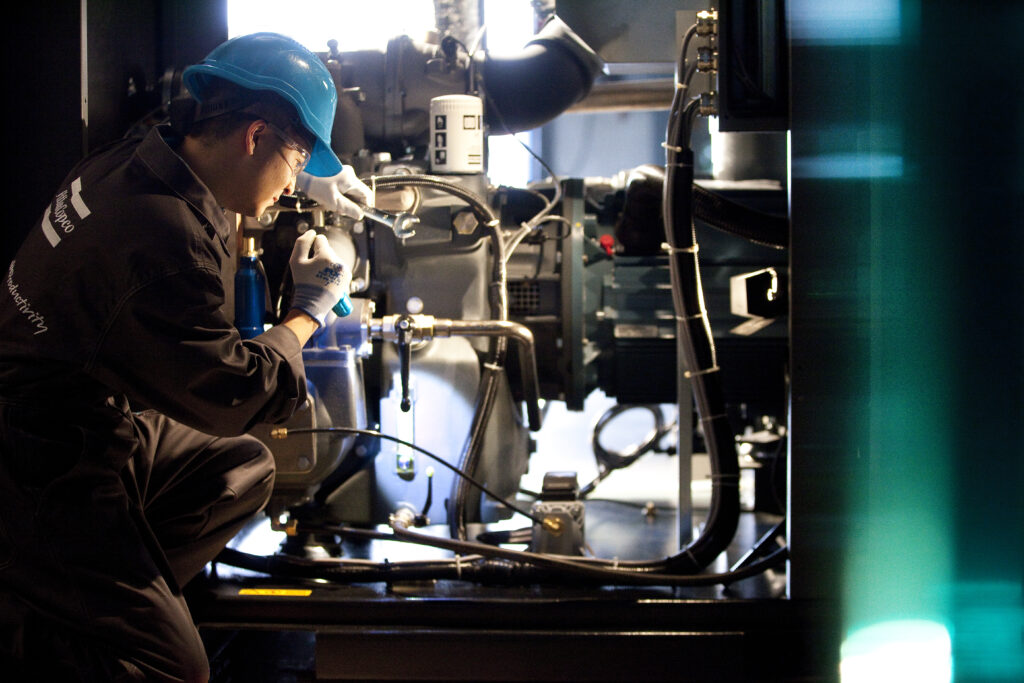
Inspect belts, hoses and couplings: Check for cracks, fraying or wear that could lead to an unexpected failure. Make sure to replace any damaged components immediately to prevent downtime.
Change and clean filters: Air intake filters, oil filters and separator elements protect the system from contaminants. If a filter becomes clogged, it forces the compressor to work harder, wasting energy and shortening its life.
Lubricate and change oil: An oil-lubricated compressor requires regular oil changes to reduce friction, prevent overheating and protect moving parts. It is important to use the correct grade and quality recommended by the manufacturer. Using oil that is incompatible with the equipment can be dangerous and costly.
Clean coolers and drains: Dirty coolers will reduce heat exchange efficiency leading to overheating and performance issues. Automatic drains should be inspected and cleaned regularly to ensure moisture is removed from the system.
Monitor system pressure and flow: It is important to check the pressure and flow values frequently to ensure the compressor is operating within optimal ranges. Sudden changes can be early signs of leaks, blockages or component wear.
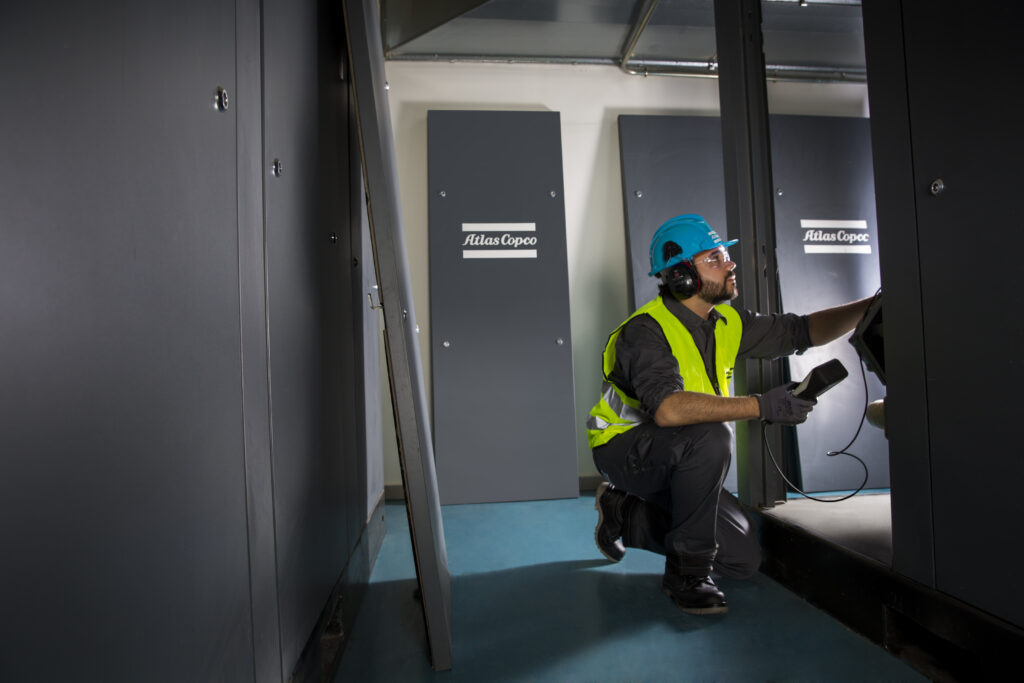
Test safety devices: Regular checks of pressure relief valves, temperature switches and other safety components to make sure they are functioning correctly is important to protect both the equipment and team.
Calibrate controls and sensors: Making sure that a machine is properly calibrated ensures accurate readings for temperature, pressure and performance, confirming the compressor is operating efficiently and reliably.
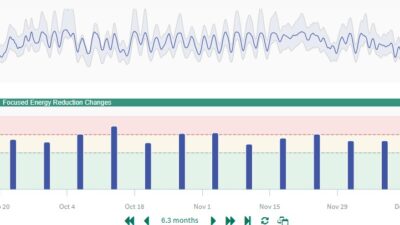
Review monitoring data: If a compressor is equipped with a monitoring system, plant managers can review performance trends to catch early warning signs in real time and plan service before issues arise.
Recommended maintenance schedule
A successful preventive maintenance program isn’t just about a list of tasks; it’s also about how often those tasks are completed. A consistent schedule ensures the air compressor operates at peak performance while minimizing the risk of unexpected issues.
While every facility’s needs are different, here’s a general guideline for routine care:
Daily
- Perform a quick visual inspection for leaks, unusual noises or vibrations.
- Check system pressure and temperature readings.
- Drain condensate from receivers and filters, if not using an automatic drain.
Weekly
- Inspect oil level and top off if needed (for oil-lubricated units).
- Clean or replace air intake filters if dirty.
- Check hoses, belts and couplings for wear or damage.
Monthly
- Inspect the safety relief valve and test operation.
- Check and tighten any loose bolts or fittings.
- Review monitoring system data for unusual performance trends.
Quarterly
- Change oil and oil filters (as recommended for the model; check manual).
- Replace separator elements if needed.
- Clean coolers and ensure proper airflow.
Annually
- Perform a full system inspection by a qualified technician.
- Calibrate controls, sensors and gauges.
- Test and document all safety devices.
- Review overall system performance and adjust maintenance plan as needed.
Following a structured schedule like this allows facilities to plan maintenance around production needs — and hopefully reduce unexpected and costly downtime — but it also ensures scheduled maintenance steps meet the annual budget, reducing any unexpected spending.
Service plans as a part of maintenance
Maintenance plans can be conducted in-house, but professional service plans are another option. Some organizations might benefit from the in-depth knowledge a professional OEM service technician can provide. These techs know the equipment and understand how to implement the appropriate maintenance procedures. Service plans are typically tailored to a plant’s needs.
Whether in-house or through a professional service plan, preventive maintenance should be looked at as more than just a checklist. It’s a mindset that protects a plant’s investment, keeps operations running efficiently and helps avoid costly surprises. By addressing small issues before they become major, the life of the air compressor is extended, energy efficiency is improved, product quality is safeguarded and workplace safety is ensured.