
Circuit protection devices are critical yet often overlooked components that keep modern electrical systems safe, reliable and resilient. This article explores how these technologies prevent faults, protect equipment and safeguard people across residential, commercial, industrial and utility power systems.
Learning objectives
- Understand the purpose and importance of circuit protection by learning how electrical faults such as overloads, short circuits, ground faults and surges threaten electrical systems and how protective devices mitigate these risks.
- Identify and differentiate key protection technologies, including fuses, circuit breakers, ground fault circuit interrupters, arc fault circuit interrupters, surge protection devices and medium-voltage relaying systems, to understand how each device operates and where it is applied.
- Recognize the role of coordinated protection in ensuring electrical system reliability — including complex medium-voltage grids — and how digital relays and smart grid automation improve overall power system resilience.
Electrical insights
- This article examines core components of an electrical defense system: fuses, circuit breakers, motor starters and relays.
- It also detail modern electrical safety essentials like GFCIs, AFCIs and SPDs.
- This article will examine their vital roles, which are increasingly essential in complex and sensitive electrical systems.
Circuit protection a foundational yet often overlooked technology. These systems function as the unsung guardians of electrical infrastructure, protecting assets, preventing fires and ensuring reliable service, scaling from the smallest home appliance to the largest, most critical power grids.
Why electrical protection is needed
To understand why we need protection, we must first look at the basic forces of electricity. Think of it like water in a pipe: Electrical current is the flow rate, voltage is the pressure pushing the flow and resistance is anything slowing it down. These forces must be balanced, but all circuits are vulnerable to several invisible, dangerous faults that occur when conditions exceed safe design limits.
The two most damaging electrical faults involve too much current. An overload occurs when a circuit consistently draws more flow than its safe limit, often because of too many devices connected to the same circuit. The resulting sustained heat degrades insulation and plastic, making it the leading cause of long-term electrical fires.
Conversely, a short circuit is the most catastrophic fault, happening when a low-resistance path (like frayed wiring) connects two conductors. Resistance drops to nearly zero and the current can instantly surge to explosive levels, causing violent arcing and immediate equipment destruction.
Two additional threats also require protection. A ground fault occurs when current finds an unintended path to the ground, such as through a metal enclosure. This condition presents a potential risk to human life because current can pass through a person touching the fault, leading to severe or fatal shock. An overvoltage condition occurs when the circuit pressure (voltage) rises suddenly, often because of lightning or utility switching. These high-pressure surges can instantly destroy sensitive electronic components.
Overload, short-circuit, ground-fault and overvoltage conditions can result in equipment damage, unplanned downtime and serious safety hazards if not properly controlled. Therefore, protection devices, which are specifically designed to mitigate these conditions before equipment damage or worse, occur are essential.
Electrical fuses and breakers, the core protectors
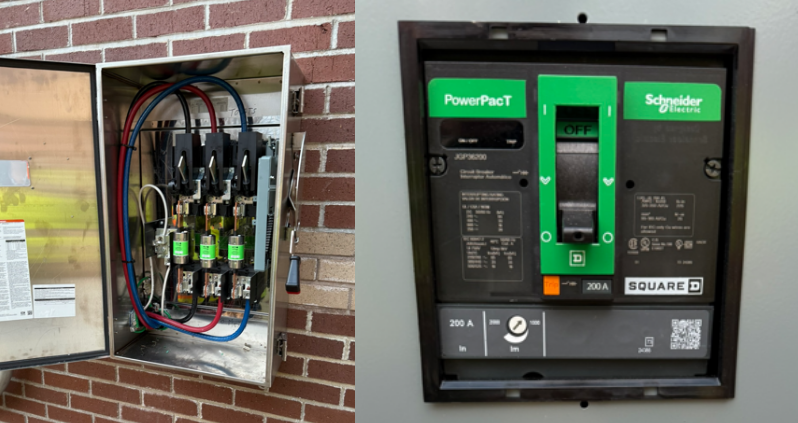
The safe and reliable operation of any electrical system, from a simple home circuit to a massive power grid, relies on overcurrent protection devices (OCPDs). These critical components are designed to automatically and rapidly interrupt the flow of electrical current when it exceeds safe design limits, preventing damage to wiring and equipment while mitigating fire hazards. Fuses and circuit breakers are the two primary OCPD categories.
Fuses: A fuse is the quintessential example of protection through intentional material failure. It is the electrical system’s sacrificial lamb, designed to permanently break the circuit when a fault occurs to protect the load.
At the core of a fuse is the fuse element, a conductive wire or strip calibrated to melt when heated. The governing principle is that I2R heating (Joule heating) causes the element’s temperature to rise. When the current exceeds the fuse’s ampere rating for a sufficient duration, the element reaches its melting point and blows, creating an open circuit. This ensures quick isolation of the system’s faulty section, whether the cause is a short circuit or a prolonged overload.
Fuses are characterized by their simple mechanics, leading to diverse applications based on voltage and current requirements:
- Cartridge fuses: Cylindrical devices housed in an insulating fiber or ceramic tube, commonly used in control panels and motor circuits.
- Blade fuses (automotive fuses): Feature a nonencased metal strip for low-voltage direct current systems.
- High-voltage fuses: Used in utility distribution and substation equipment, these are often filled with arc-quenching materials like borax or use compressed gas like sulfur hexafluoride (SF6) to safely interrupt the high-energy arc that forms during interruption.
Fuses are simple, reliable, cost‑effective and fast-acting during short-circuit events, which makes them well-suited for many basic protection applications. Because they have no moving parts to wear out, they offer robust performance. Their primary limitation is that they must be replaced after clearing a fault, resulting in additional maintenance and downtime.
Circuit breakers: A circuit breaker is an electromechanical reusable guardian that performs the same protective function as a fuse but is designed to be easily reset after a fault condition is corrected, providing significant operational flexibility and reduced maintenance costs.
The circuit breaker relies on two distinct mechanisms to handle the two primary types of faults:
- Thermal trip (overload protection): This action handles sustained overloads where current exceeds the beaker rating. It uses a bimetallic strip composed of two metals with unequal thermal expansion rates. The heat generated by the continuous overcurrent causes the strip to bend and mechanically trip the circuit breaker contacts. This is a time‑delayed mechanism because the bimetal strip must heat and deform before tripping, allowing for harmless, temporary current spikes while ensuring operation under sustained overloads.
- Magnetic trip (short-circuit protection): This mechanism provides instantaneous interruption for short circuits and extreme overcurrent. A short circuit generates an enormous current surge, which passes through a solenoid (electromagnet). The resulting powerful magnetic field instantly pulls an armature, bypassing the thermal mechanism and tripping the breaker contacts in milliseconds. This rapid response is crucial for minimizing damage from catastrophic faults.
Circuit breakers are scaled and specialized based on the fault current they must interrupt:
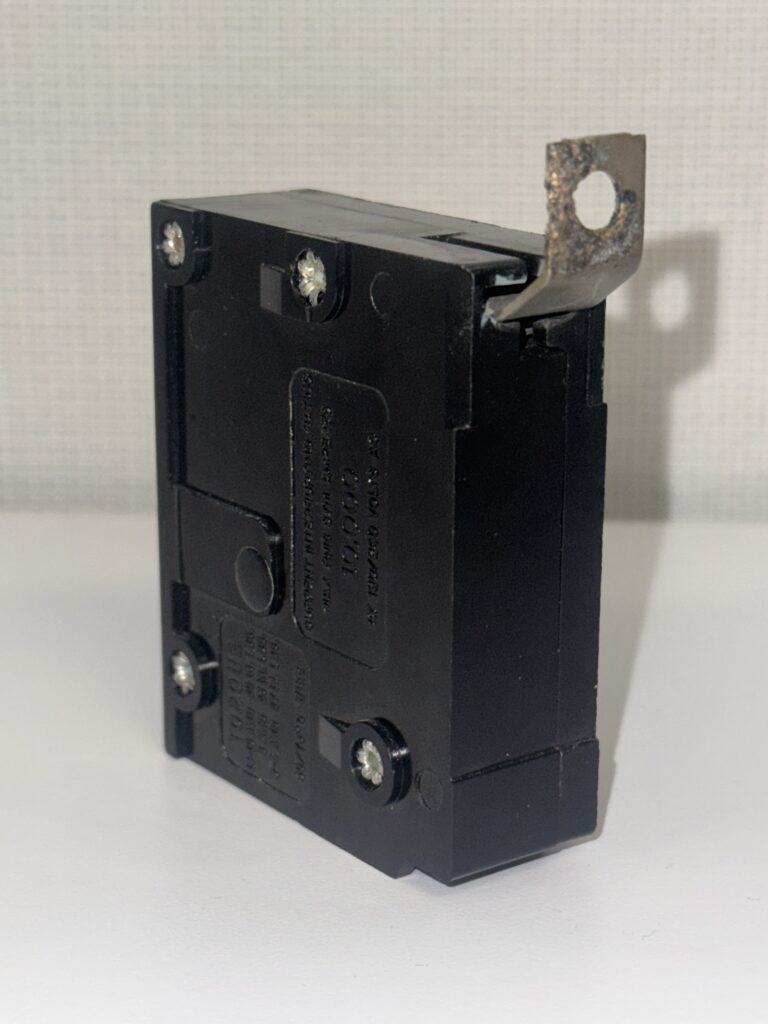
- Molded-case circuit breakers: Enclosed in a rugged insulating case and used for main distribution feeders and heavy industrial loads. They often feature adjustable trip settings, providing customization for specific applications.
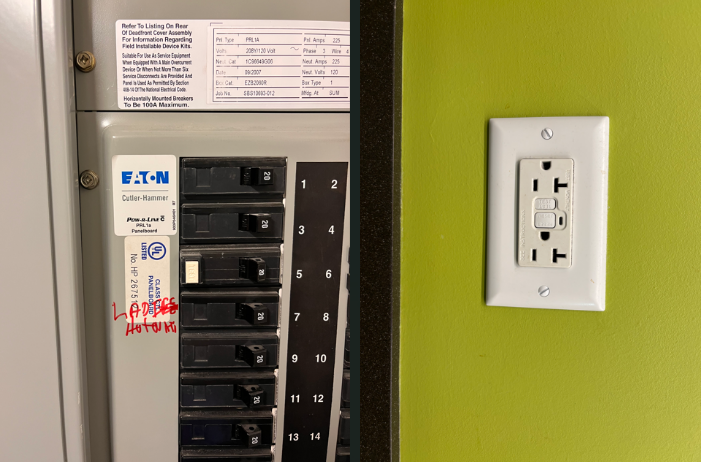
- Miniature circuit breakers: Smaller versions used in lighting panels. They offer a more compact footprint and often lack adjustable settings.
- Air/gas/vacuum circuit breakers: Employed in high-voltage transmission and distribution networks, these use sophisticated techniques (SF6 gas or vacuums) to effectively extinguish the high-energy arc and safely interrupt power.
Unlike fuses, circuit breakers can be reset after a fault once the issue has been addressed. They also offer more sophisticated features, including customizable selective coordination via settings and integrated ground-fault/arc-fault protection.
However, they are generally more complex, expensive and require periodic testing to ensure the mechanical trip mechanism’s integrity.
Advanced circuit protection
Modern electrical systems demand robust safety measures to protect both people and equipment from multiple hazards. Advanced alternating current circuit protection technologies have become essential components in commercial and industrial environments, addressing risks such as electric shock, fire and equipment damage. By integrating specialized devices that detect faults and mitigate surges, these systems form a comprehensive defense against the most common and dangerous electrical threats.
Ground fault circuit interrupters (GFCIs) protect against electric shock by monitoring the current flowing into and out of a circuit. When a small imbalance is detected, typically 4 to 6 milliamperes, the device interrupts power to prevent current from passing through a person or unintended grounding path. These are especially critical in wet or damp environments like bathrooms and kitchens.
Arc fault circuit interrupters (AFCIs) are designed to reduce the risk of electrical fires caused by damaged wiring or loose connections. These devices analyze current waveforms and detect high-frequency components (typically in the 40 to 100 kilohertz range) associated with series or parallel arcing faults, disconnecting power when hazardous arcing conditions are identified.
Surge protection devices (SPDs) limit damaging voltage spikes caused by lightning strikes or utility switching events by diverting excess energy away from sensitive equipment. SPDs are rated by their nominal discharge current, voltage protection level and maximum continuous operating voltage. They are typically installed at service entrances or distribution panels to protect downstream equipment.
When applied together, these devices provide layered protection against overloads, short circuits, ground faults, arc faults and overvoltage, preventing potential damage to sensitive electronics.
Medium-voltage electrical protection
Medium-voltage electrical systems, generally operating between 1 and 35 kilovolts, are the backbone of electrical distribution networks. They serve as the intermediary between high‑voltage transmission and low-voltage use, ensuring reliable power delivery to industrial and commercial facilities. Circuit protection in these systems is both a safety measure and a necessity for maintaining grid stability and protecting expensive equipment. This section covers the importance of medium-voltage circuit protection.
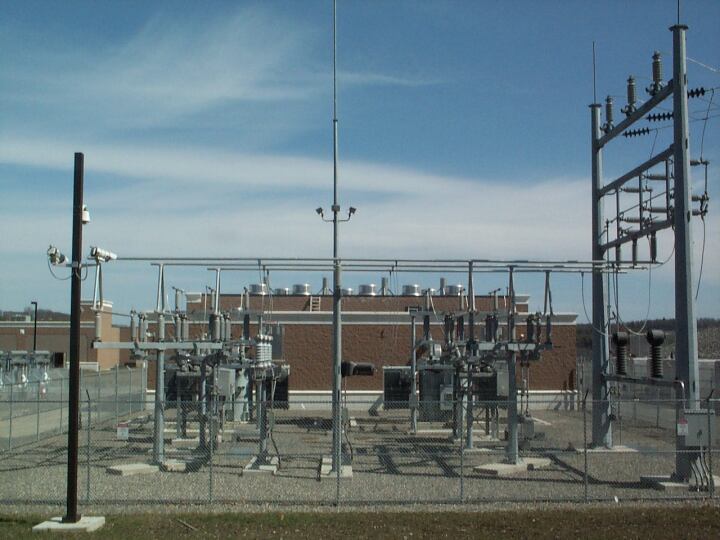
Utility grids and power plants handle immense electrical loads, making fault isolation critical. A single fault in a medium-voltage circuit can cascade through the distribution system, causing outages and equipment damage. Circuit breakers, fuses, relays and other protective devices act as the first line of defense, limiting fault currents and isolating faults. This isolation prevents critical failures in generators, transformers and switchgear, reducing repair costs and ensuring utility plant operations. Medium-voltage protection is fundamental to grid reliability and resilience.
Protective relays are the brain of a medium-voltage protection system. They continuously monitor current, voltage and frequency and they isolate the circuit when faults occur. Digital relays offer advanced functions, such as fault location, event logging, remote communication and selective coordination. This ensures that only the faulted circuit is isolated, preserving service for unaffected areas. Without accurate relay operation, protection systems would be slow and ineffective, jeopardizing both equipment and personnel safety.
Selective coordination is both an art and a science, ensuring that protective devices operate in a logical sequence during faults. In medium-voltage systems, proper selective coordination means downstream devices clear localized issues while upstream devices remain intact. Engineers achieve this through time-current curves and selective settings, balancing speed with reliability and safety. Poor selective coordination can lead to unnecessary outages, increasing stress on equipment and risking power outages. Therefore, coordination is essential for maintaining system function and isolating affected electrical equipment.
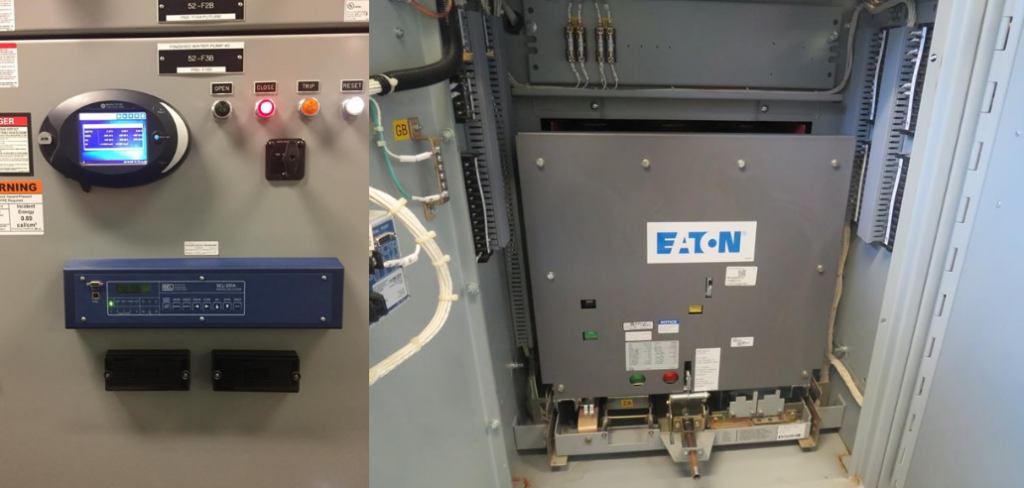
The transition to smart grids introduces automation and real-time analytics into medium‑voltage protection. Self‑healing grids use sensors, relays and automated switches to detect faults and reroute power within several cycles. This capability drastically reduces outage durations and enhances resilience against natural disasters or equipment failures. Integration with smart grid technology enables preventative maintenance and creative load management, creating a more sustainable and efficient energy infrastructure.
Medium-voltage circuit protection is essential in modern electrical engineering. From protecting utility grids and power plants to promoting intelligent, self-healing networks, these systems ensure operational functionality, safety and efficiency. As power systems become more complex and automated, robust medium-voltage protection solutions will be paramount for building resilient and future-ready grids.
The foundation of electrical safety
The takeaway is clear: Circuit protection is the foundation of electrical reliability, system integrity and human safety.
These systems manage threats such as overloads, short circuits, ground faults, arc faults and overvoltage. Devices ranging from fuses and circuit breakers to GFCIs, AFCIs, SPDs and protective relays work in coordinated layers to isolate faults, maintain service continuity and reduce potential hazards.
Every watt flowing through modern power systems relies on these essential protections. The reliability of our power-dependent future will remain directly tied to their robustness and intelligence.