
Plant engineers and managers have a core duty to treat safety — especially the nonnegotiable use of personal protective equipment — as the foundation of successful operations, not just a compliance rulebook.

Learning objectives
- Treat safety and the correct use of personal protective equipment not as administrative compliance burdens, but as fundamental, nonnegotiable business priorities essential for minimizing risk, maximizing operational value and ensuring continuous plant productivity.
- Identify the three interconnected pillars of safety responsibility; understand and be able to explain the interconnected human, operational and financial pillars of safety leadership, recognizing that a failure in one area causes detrimental ripple effects across the entire organization.
- Apply a hazard-specific, enforcement-based approach to PPE.
Safety insights
- A robust safety commitment is a vital investment that safeguards the workforce, ensures reliable operations and mitigates devastating financial risks.
- Recognize that PPE is the “last line of defense” and requires a rigorous, assessment-first approach to ensure the correct, task-specific gear is used, which must be backed by consistent, transparent enforcement and positive employee engagement.
For plant engineers and managers, the job is bigger than just optimizing processes and keeping the machines running. Woven into those technical duties is an unwritten promise: a profound responsibility for human life and for keeping the whole operation steady.
This promise is kept through rock-solid safety protocols and the nonnegotiable use of personal protective equipment (PPE). Safety isn’t a separate team; it’s the very foundation of a successful plant. Leaders need to grasp that safety and PPE aren’t just about avoiding fines, especially when PPE is the last line of defense against hazards. Effective safety policy is a core business priority, essential for minimizing risk and truly maximizing value.
Safety does not allow for complacency
The difference between a minor incident and a catastrophic failure often lies in something surprisingly small: a single overlooked safety check or a piece of neglected PPE. It’s easy for plant engineers and managers to see safety as just a rulebook. But the truth is, a solid safety program is an investment that pays dividends across the entire operation.
The importance of this commitment hits three critical, interconnected areas: human, operational and financial. A slip in one area rarely stays contained. It usually causes ripple effects. Recognizing that these three categories represent the fundamental risks and opportunities in any industrial facility is the first step toward true safety leadership.
Safeguarding the workforce
At its heart, safety is about people. Leadership’s primary duty is to ensure every employee returns home safely. It is essential that a comprehensive program includes an emergency preparedness plan.
When a crisis strikes, seconds count. Plant leaders must have systems in place and be well-versed in their system. This includes clear instructions for calling external emergency services and internal security, followed by immediate contact with designated safety management. Beyond immediate response, an effective program establishes clear protocols for managing injuries, ranging from treating minor cuts using accessible first aid kits to transporting severely injured personnel to designated urgent care facilities or hospital emergency rooms.

It’s also vital to train teams on managing biohazards under a bloodborne pathogen program, ensuring they minimize contact using vinyl gloves and thoroughly disinfect any contaminated areas, underscoring the seriousness of exposure control.
Every incident — from a serious injury to a near miss — generates a page in the safety story. Detailed written reports must be generated promptly, not for blame, but for root cause analysis. It is important to stay focused on the facts of what occurred to find the true root cause. This practice turns every mistake or close call into a learning opportunity, ensuring the narrative of failure is never repeated.
A crucial part of this preparedness involves fire safety and evacuation. The system must be clear: pull the alarm, evacuate immediately to the designated rally point and have supervisors account for every person. This simple process can only work if fundamental procedures, like maintaining unobstructed fire lanes and exits, are rigorously enforced. Operations like welding or cutting must be governed by a strict hot work permit system, requiring the presence of a trained fire watch and the clearance of all flammable materials. This attention to detail prevents small sparks from igniting a tragedy.
Leadership should be actively asking employees what they feel is unsafe in the work area. Employees will generally know an area that is missing a safety control and has potential to cause serious harm to someone. Just asking questions is not enough though for leaders, corrective actions must be taken. Not only to avoid willful fines, but for employee moral to know that their input is taken seriously to keep the plant a safe place to work.
Plant operations requires safety
A safe plant is a predictable, reliable and productive plant. When safety protocols lapse, the operational story quickly breaks down.
Managing hazardous materials is a constant threat to continuity. Engineers must ensure every chemical brought on site is accompanied by its safety data sheet, which informs storage, handling and emergency response. This documentation is the instruction manual for the substance’s safe coexistence with the plant environment. Strict procedures for spill prevention and the proper daily disposal of waste materials ensure the plant avoids environmental contamination, which can shut down operations indefinitely.
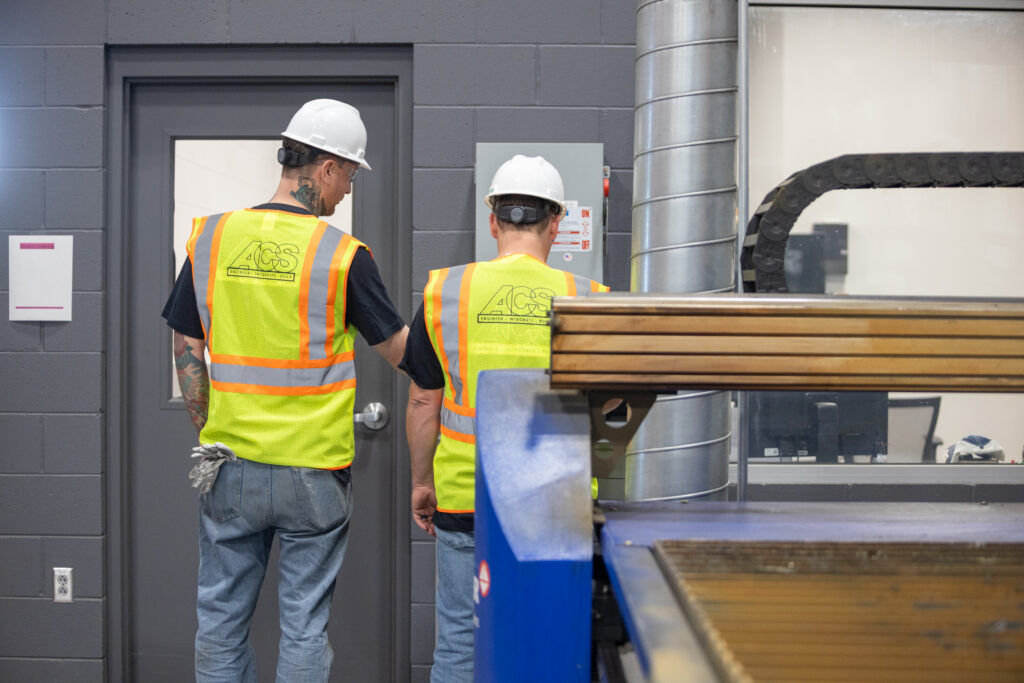
In terms of energy and equipment, the lockout/tagout (LOTO) program is arguably the most critical operational protocol. It is the guarantee that machinery will achieve a zero-energy state before maintenance begins, preventing accidental start-up.
For plant engineers, LOTO coordination and ensuring compliance with NFPA 70E: Standard for Electrical Safety in the Workplace for high-voltage work is nonnegotiable. Without this rigor, every maintenance operation carries the risk of a life-threatening accident and severe equipment damage.
Mitigating safety risk for financial reasons
Think of safety as the best insurance policy your plant can buy. While the main goal, of course, is saving lives, protecting the bottom line is the powerful secondary effect. The immediate aftermath of poor safety (the incident investigations, the workers compensation costs, the soaring regulatory fines, the inevitable lawsuits) can quickly make those “savings” from cutting corners look ridiculous.
Simply put, a truly safe operation is financially smart. It cuts down on sudden unplanned expenses and helps keep high operational costs, like insurance premiums, stable and predictable.
Dealing with structural hazards, such as the potential for lead, asbestos or respirable crystalline silica, is a high-stakes bet you don’t want to lose. If you disturb these materials without the right controls (like using wet methods for cutting concrete), you’re basically signing up for massive government fines and creating potential, decade-long health liabilities for your team. That road leads straight to costly legal battles and never-ending medical expenses.
Similarly, being meticulous about fall protection standards is the best defense against the devastating financial hit of a catastrophic injury. Those events trigger long, expensive lawsuits, permanent disability claims and serious damage to a company’s reputation. The simple truth: investing upfront in prevention, including quality training, engineering controls, certified PPE and rigorous inspection of equipment like scaffolds and cranes, is much cheaper than picking up the pieces after a major failure.
PPE is the last in the line of safety defense
If a plant safety program is the overall narrative, PPE is the final, essential chapter written right on the worker’s body: It’s the physical shield, the last layer of protection standing between a serious hazard and a human being. It’s a simple, powerful truth that plant managers must internalize and enforce without a single exception.
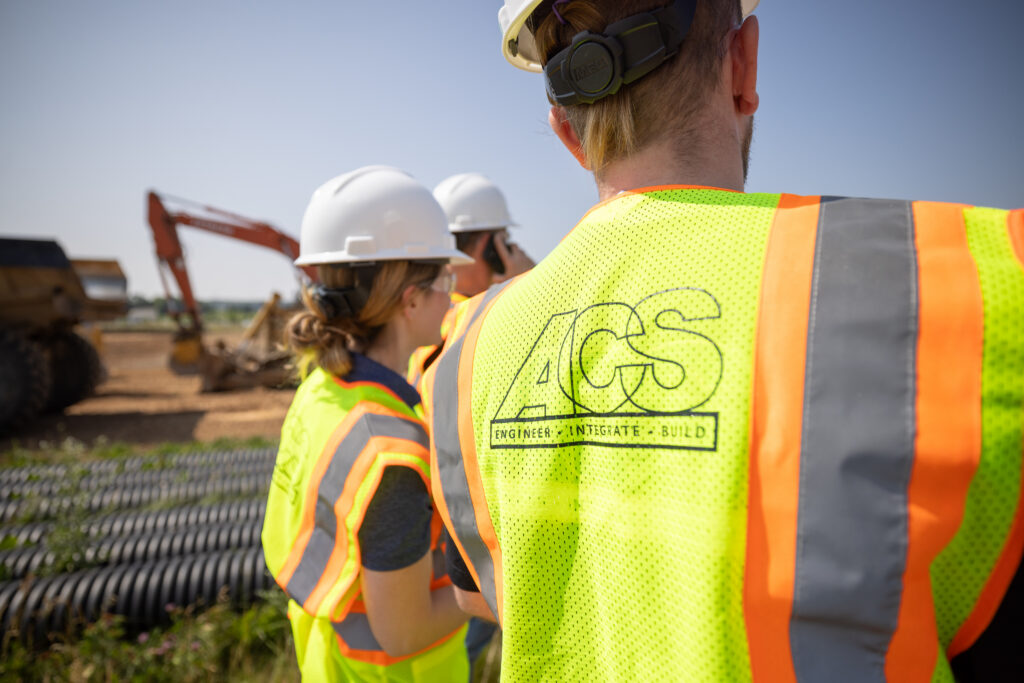
Getting PPE right starts with an assessment-first approach. Plant engineers can’t just hand out hard hats and call it a day. They must look at the specific hazards of the task at hand.
A safety expert should ask: Is the job overhead grinding? Then you need foam-lined safety glasses under your face shield. Is the worker near rotating machinery? Then you absolutely must enforce the removal of gloves to prevent entanglement. Is it high-heat work? You need to swap that standard synthetic high-visibility vest for natural fiber or fire-rated clothing. The PPE must fit the narrative, every single time.
Essential PPE
Every zone of the body requires its protection. Safety-toed boots and hard hats are the construction staples. For specialized work:
- Eye and face: Face shields must be worn over safety glasses for cutting and grinding or other flying particulate hazard tasks.
- Hearing and respiratory: Protection is mandatory when noise exceeds 85 decibels. Respiratory use requires documented training, fit-testing and medical evaluation.
- Fall restraint: Operators in boom lifts must be connected via a fall restraint harness and lanyard.
- Electrical: Following the NFPA 70E standard using highly specialized, rated fire-rated clothing, hoods and shock-resistant gloves are required for electrical work above 50 volts.
The story of PPE is often one of resistance. Workers find it inconvenient, hot or restrictive. The plant manager’s role is to relentlessly tie the PPE requirement back to the human pillar: “You wear that harness not because a rule tells you to, but because it is the only thing that separates you from a fatal fall.”
Work with employees for solutions that fit the user better, are more comfortable and thus more likely to be used consistently and correctly. When that still is not effective, enforcement must be consistent and transparent. A tiered system for violations, from verbal warnings to suspension and termination, ensures that noncompliance with PPE is treated as a fundamental breach of the safety contract.
The nonnegotiable role of plant management in safety
The ultimate responsibility for weaving a story of safety into the plant’s DNA lies in the hands of leadership. This requires more than just delegation. It demands active participation and visibility.
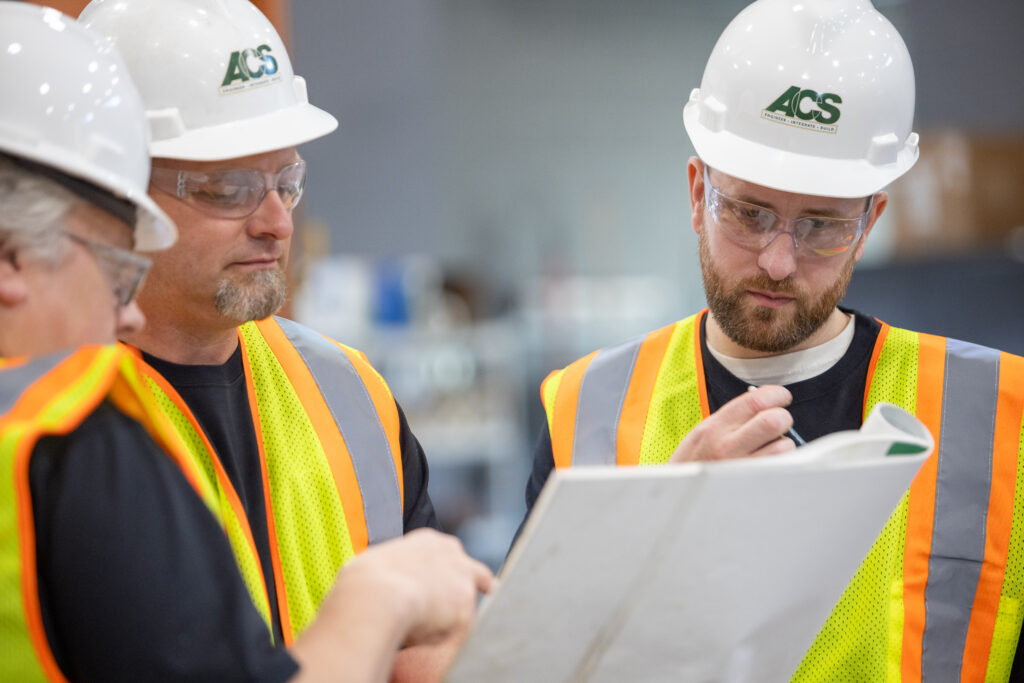
Safety begins with training and competency. Every contractor and employee must complete the initial safety orientation. More importantly, every contractor must designate a qualified, competent person to be onsite, supervising and enforcing the plan. This creates a distributed network of safety leaders.
The most effective storytelling happens through planning. Requiring detailed daily safety plans and, for high-hazard tasks, a formal work safety plan and risk assessment, forces crews to articulate the potential risks and their mitigation measures before work even begins. This moves safety from a passive policy to an active, daily conversation.
For plant engineers and managers, the greatest failure is not a missed calculation, but a preventable injury. By treating safety and PPE not as administrative burdens but as the primary enablers of productivity and human dignity, they write a story of success: a continuous narrative where every worker safely finishes the day and the plant operates without interruption. This dedication is the truest measure of leadership in the industrial world.